What Is BHO? Butane Hash Oil Explained
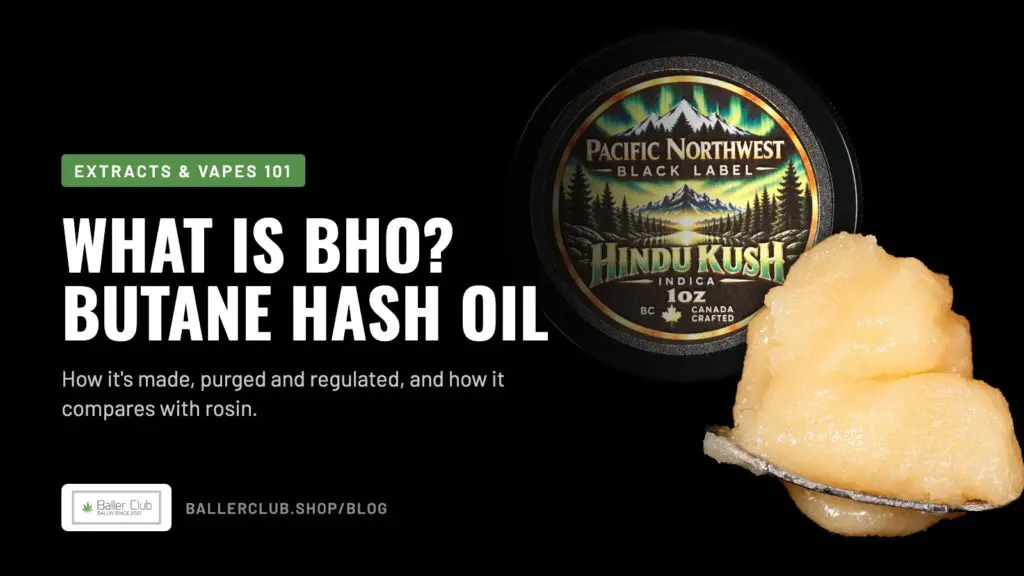
BHO, or butane hash oil, is a cannabis concentrate made by dissolving the resin from cannabis trichomes in liquid butane and then removing the butane. What’s left is a sticky extract with far more THC than flower, which makers finish as shatter, budder, sauce or diamonds. In Canada only licence holders may make it, and making it at home is illegal and dangerous.
In a 2026 study of cannabis products listed for sale online in Ontario, shatter averaged 67% THC and dried flower 26%.
How BHO extraction works
Trichomes are the tiny resin glands on cannabis flowers, where THCA and the aroma compounds called terpenes are made. Those compounds dissolve easily in butane and most of the plant material doesn’t. The butane is then evaporated or purged off, leaving the concentrate behind.
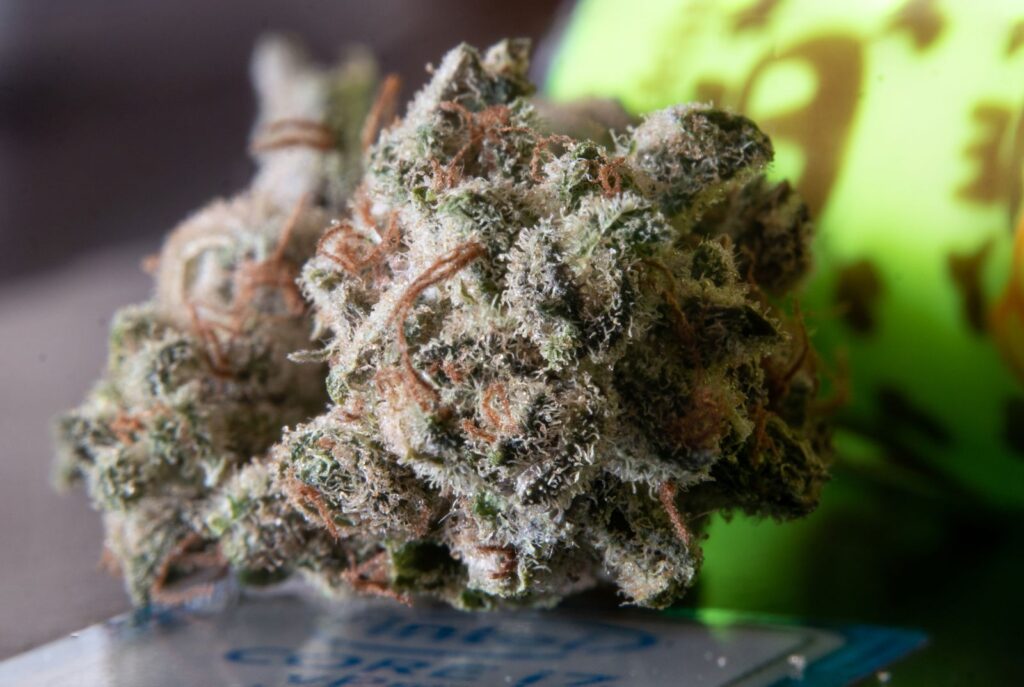
Propane dissolves resin the same way butane does, and extracts made with either are called hydrocarbon extracts.
Commercial processors work in closed-loop equipment, which keeps the butane sealed inside the system. In Canada, only people authorized under the Cannabis Act, such as licensed processors, may use these solvents on cannabis.
The textures BHO becomes
The name depends on how the extract is handled after extraction, and on the plant it started from.
| Texture | What makes it that way |
|---|---|
| Shatter | Purged and left still, so it sets into a clear, brittle sheet |
| Budder, crumble and wax | Stirred or whipped while it purges, so it turns opaque and soft instead of glassy. Budder stays creamy; crumble is drier |
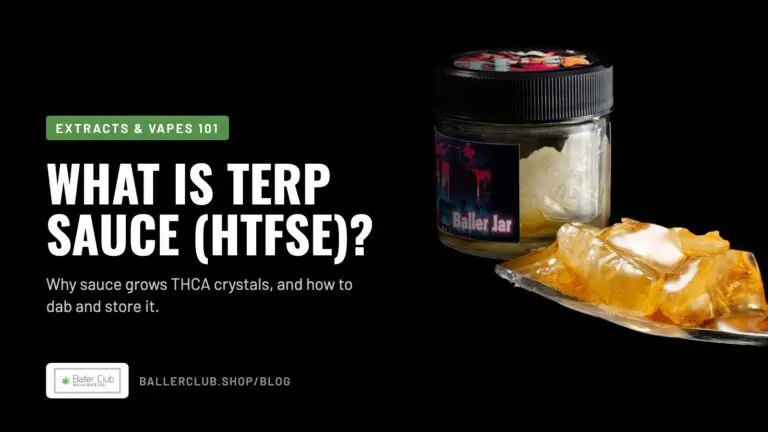
| Sauce and diamonds | Left to sit until crystals of THCA (the diamonds) separate from a runny, terpene-rich sauce |
| Live resin or cured resin | Named for the starting plant: frozen fresh at harvest (live) or dried and cured trim (cured) |
How potent is BHO?
BHO carries far more THC than flower. In a 2026 study of 1,727 cannabis products listed for sale online in Ontario in early 2024, shatter averaged 67% THC and dried flower averaged 26%.
| Product type | Products in the study | Average THC | Lowest to highest |
|---|---|---|---|
| Dried flower | 373 | 26% | 0% to 40% |
| Hash | 44 | 44% | 23% to 68% |
| Rosin | 18 | 54% | 30% to 85% |
| Shatter | 21 | 67% | 28% to 86% |
| Resin | 29 | 80% | 62% to 96% |
The researchers averaged the THC range shown on each product’s listing, so these are label figures, not lab tests of their own. The study doesn’t say which solvent each resin was made with.
When a 2015 study tested 57 concentrates from California’s medical cannabis market, total THC ran from 23.7% to 75.9%, apart from one sample that was high in CBD instead (Raber et al.).
What is smoking BHO?
Dabbing is the common way to smoke BHO. A small amount goes onto a heated surface, such as the nail on a dab rig, where it vaporizes and is inhaled in a single breath, as a 2018 review of BHO research describes.
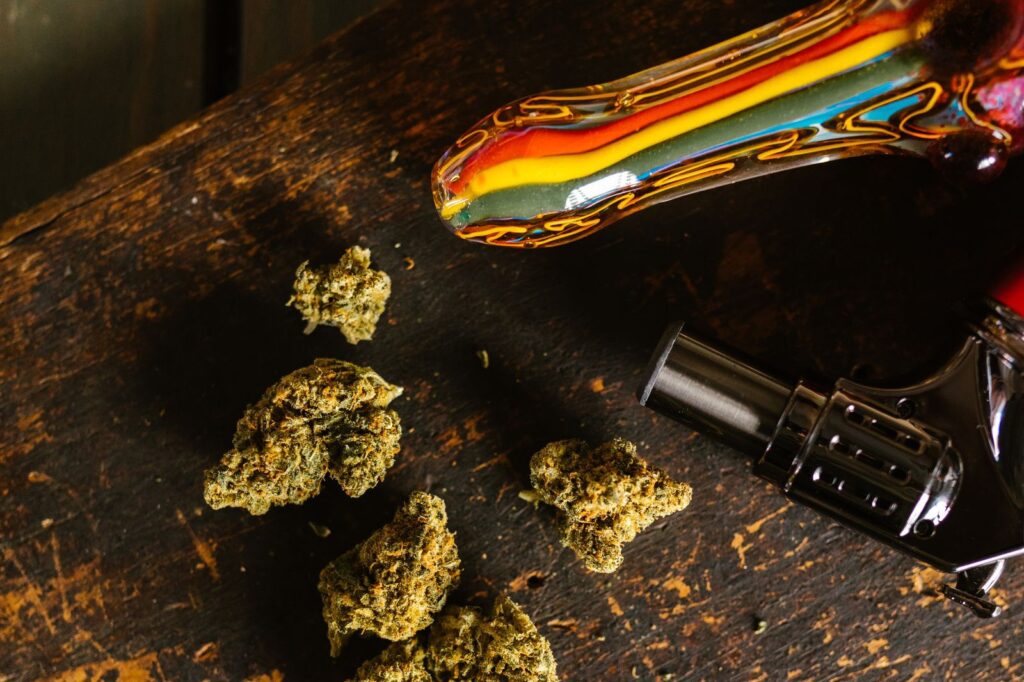
The same review notes that BHO can be heated in electronic devices much like e-cigarettes, which is how a dab pen works. A piece of shatter can also go on top of a bowl of flower or into a joint, though some of it is lost to the flame there.
How to dab has the steps and temperatures for a rig, and how to smoke shatter covers a dab pen, a bowl and a joint. Baller Club sells no rigs, torches or other hardware.
Purging and residual solvents
Purging is the step that removes the butane after extraction, using heat, a vacuum or both. Any butane still in the finished product is called residual solvent.
Without a lab test, nobody knows how much butane is left in a concentrate. That 2015 study of 57 California concentrates also found more than 80% were contaminated with residual solvents or pesticides (Raber et al., Journal of Toxicological Sciences).
In Canada, licensed producers must test each lot or batch of an extract for chemical contaminants, residual solvents included (Health Canada). Section 101.1 of the Cannabis Regulations requires them to stay within generally accepted limits for human use, from standard references such as the European Pharmacopoeia.
For a licensed product, “purged” means the butane was reduced to a small amount and tested.
BHO vs rosin and solventless extracts
Rosin is pressed out of flower or hash with heat and pressure, so no solvent touches it. Hash and live rosin are solventless too. BHO is usually cheaper per gram and comes in more textures, while small yields keep rosin’s price higher.
The full comparison is in resin vs rosin, and what is live rosin? covers the priciest solventless option.
BHO vs CO2 and ethanol extracts
Carbon dioxide and ethanol are also used to extract cannabis. A 2021 review of extraction methods sets out how they compare with butane.
| Solvent | How it differs | Worth knowing |
|---|---|---|
| Butane (BHO) | Can leave water and plant pigments such as chlorophyll behind | Flammable, so commercial makers keep it inside sealed equipment |
| Carbon dioxide (CO2 extract) | Works once pressure and heat put the CO2 in a state between gas and liquid; different settings pull different compounds | Not flammable, and easy to remove afterwards |
| Ethanol | Pulls chlorophyll out along with the resin, which tints the extract green and gives it an unpleasant taste | Stripping the chlorophyll with charcoal can cut the cannabinoid content by about half |
What is honey oil?
Honey oil is a name for thick, amber hash oil, after its colour. It’s one of the names used for BHO, along with dabs, shatter and budder.
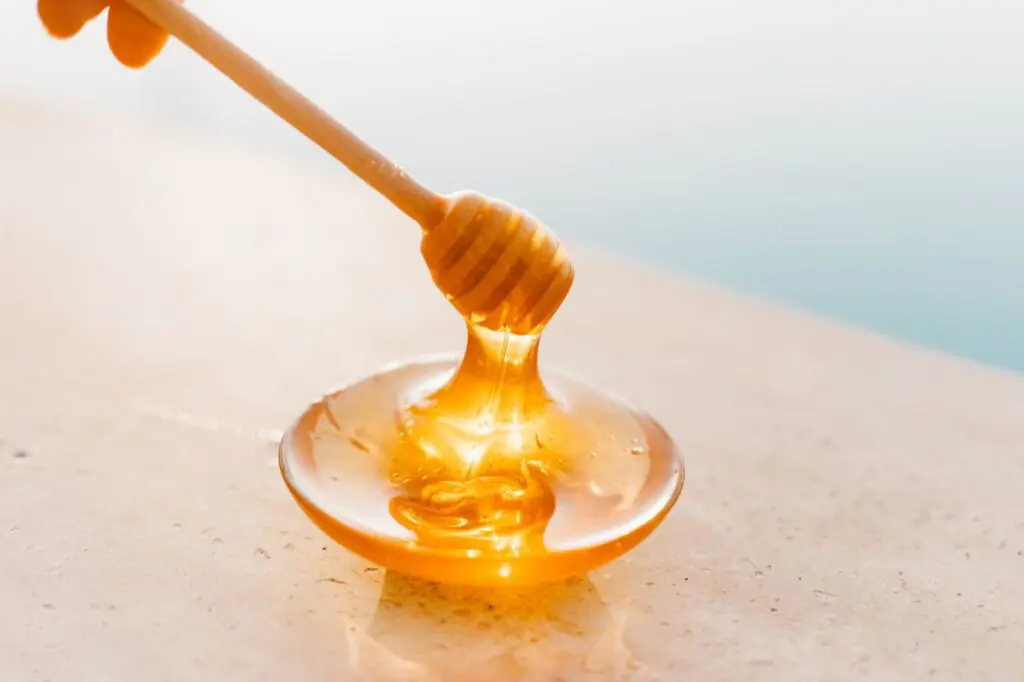
The name describes the colour and says nothing about the solvent, so a product called honey oil may or may not be made with butane. The Ritual Drops Sativa Honey Oil syringe we carry, for example, is described as a full-spectrum amber oil, and its page doesn’t name a solvent.
How to tell if a concentrate is BHO
Check the label or product page: butane, BHO or hydrocarbon means a solvent was used, and rosin or solventless means none was. Texture names won’t settle it, since rosin is also sold as badder and jam.
Our concentrate pages list the texture, the strain and the starting material. Pacific Northwest Black Label Hindu Kush, for example, is a cured resin extracted from dried and cured Hindu Kush trim. Some pages name the solvent too: EZ Peazy’s fresh frozen FSE vape carts, for example, are listed as made with BHO. Where a page doesn’t name one, this guide doesn’t guess.
Why you should never make BHO at home
Butane is highly flammable. The 2018 review of BHO research describes how, in amateur extraction, butane vapour can pool in an enclosed space and explode when a spark or static electricity ignites it. Health Canada names fire, explosions and health hazards as the reasons these solvents are illegal to use at home (Health Canada).
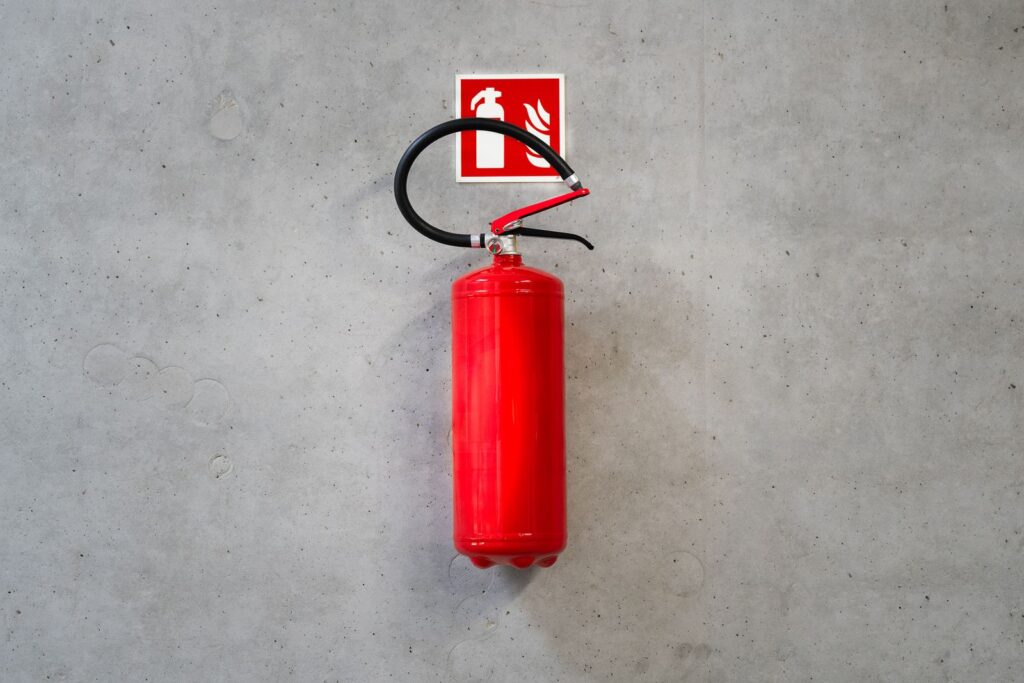
Section 12(1)(b) of the Cannabis Act says that, unless authorized under the Act, it is prohibited “to alter or offer to alter the chemical or physical properties of cannabis by the use of an organic solvent.” Section 12(3) defines organic solvent as “any organic compound that is explosive or highly or extremely flammable, including petroleum naphtha and compressed liquid hydrocarbons such as butane, isobutane, propane and propylene.”
Breaking that rule is a criminal offence, with a maximum of 14 years in prison on indictment (section 12(9)). Section 12(2) still lets individuals alter cannabis they’re allowed to possess, as long as no organic solvent is used.
Common questions
What does BHO stand for?
BHO stands for butane hash oil, a cannabis concentrate made by dissolving the plant’s resin in butane. Other names for it include amber, dab, glass, honey, shatter and wax.
Is BHO hash oil the same as shatter?
Shatter is one of the forms BHO takes. The same butane extract can also be finished as budder, crumble, sauce or diamonds, depending on how it’s handled after extraction.
Is BHO stronger than flower?
Yes, by THC percentage. In the 2026 study of products listed for sale online in Ontario, shatter averaged 67% THC against 26% for dried flower.
What does BHO smell like?
BHO smells and tastes like the cannabis it was made from, because butane carries the plant’s terpenes, the compounds behind its aroma and flavour, into the extract. Some terpenes evaporate while a plant dries and cures, so live resin, made from plants frozen fresh at harvest, keeps more of them than cured resin made from dried trim. Makers often add terpenes back to cured resin after extraction to restore the strain’s flavour.
Is there butane left in BHO?
There can be a trace. Purging removes most of it, and licensed producers in Canada must test each lot or batch for residual solvents and keep them within accepted limits.
Is live resin BHO?
It can be. Live resin is named for its starting plant, frozen fresh at harvest, and the name doesn’t say which solvent was used. Live rosin starts from the same kind of frozen plant and uses no solvent at all.
Are vape carts BHO?
Some are. Look for butane, BHO or hydrocarbon on the cart’s label or product page, though not every listing names the solvent. The EZ Peazy fresh frozen FSE carts we carry, for example, are listed as made with BHO.
Can you make BHO at home in Canada?
No. Section 12(1)(b) of the Cannabis Act bars anyone who isn’t authorized under the Act from altering cannabis with an organic solvent, and the definition names butane. It’s also a serious fire and explosion risk.
What’s the difference between BHO and rosin?
BHO uses butane to dissolve the resin out of the plant. Rosin is pressed out with heat and pressure, with no solvent, and usually costs more per gram.