Cross Joint: What It Is and How to Roll One
A cross joint is two joints joined in a plus shape. A skinny joint goes through a fat joint near the top, and glue strips seal the join so air pulls through all three lit ends. It takes two papers, a pin and about 1.5 to 2 g of flower.
It’s a novelty roll, and a fiddly one. If you can already roll a joint, the only new skills are making the holes and sealing the join. Expect to tear one or two while you learn.
What you need
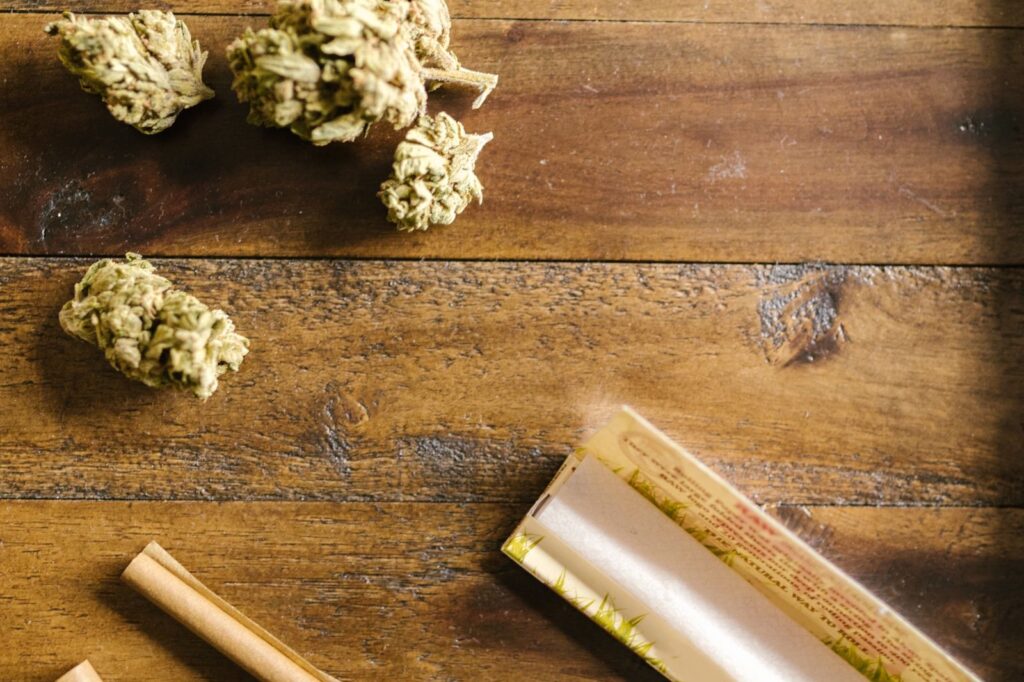
- About 1.5 to 2 g of ground flower
- A grinder
- One king-size rolling paper for the fat joint
- One small rolling paper for the skinny joint
- One or two spare papers, for their glue strips
- A pin, paper clip or thumbtack
- A filter tip for the fat joint
We sell flower and pre-rolls, not papers or grinders, so you’ll need your own.
How to roll a cross joint
Roll both joints before you make any holes, and keep the fat one firmly packed so it can hold a hole without crumbling.
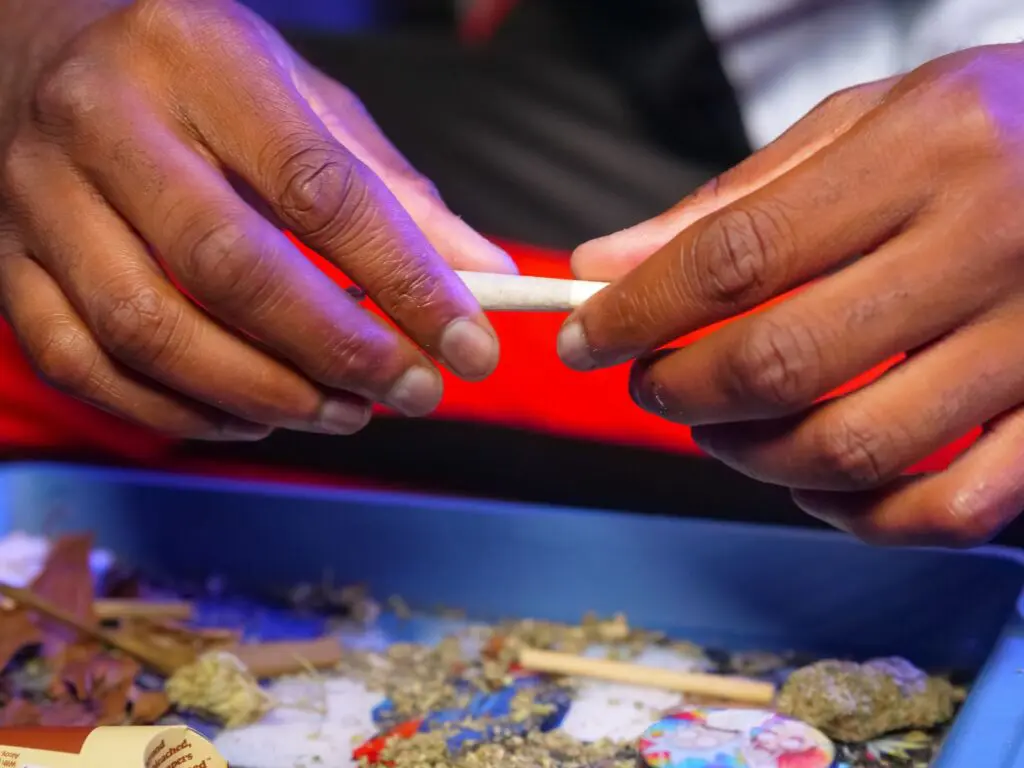
- Grind the flower. Aim for a medium-fine grind with the stems out.
- Roll the fat joint. Use the king-size paper and a filter tip. Keep it thick, and leave a long twist of paper at the top. Pack it firm, but not so tight that air can’t pull through.
- Roll the skinny joint. Use the small paper and keep it thin, because it has to pass through the fat joint.
- Make the big hole. Push the pin through the fat joint about three-quarters of the way up from the filter. Widen it gently until it’s a little narrower than the skinny joint, so the fit stays tight.
- Make the small hole. Poke one hole in the centre of the skinny joint. This is the airway from its two ends into the fat joint.
- Slide it through. Centre the skinny joint in the fat one, then turn it so the small hole sits inside and points along the fat joint, toward the filter and the tip.
- Seal the join. Tear the glue strips off a spare paper, lick them and wrap them diagonally around the join.
- Test it. Before lighting, draw on the filter with nothing lit. If air leaks in at the join, add another strip. If the paper crinkles from the suction, it’s sealed.
Some paper makers also sell empty pre-rolled cross cones. You pack ground flower into each of the three ends and twist them shut, so there are no holes to make and no join to seal.
How much flower a cross joint takes
There’s no standard amount. A regular joint holds 0.5 to 1 g, and a cross joint is one thick joint plus one thin one, so plan on 1 to 1.5 g for the fat joint and about 0.5 g for the skinny joint.
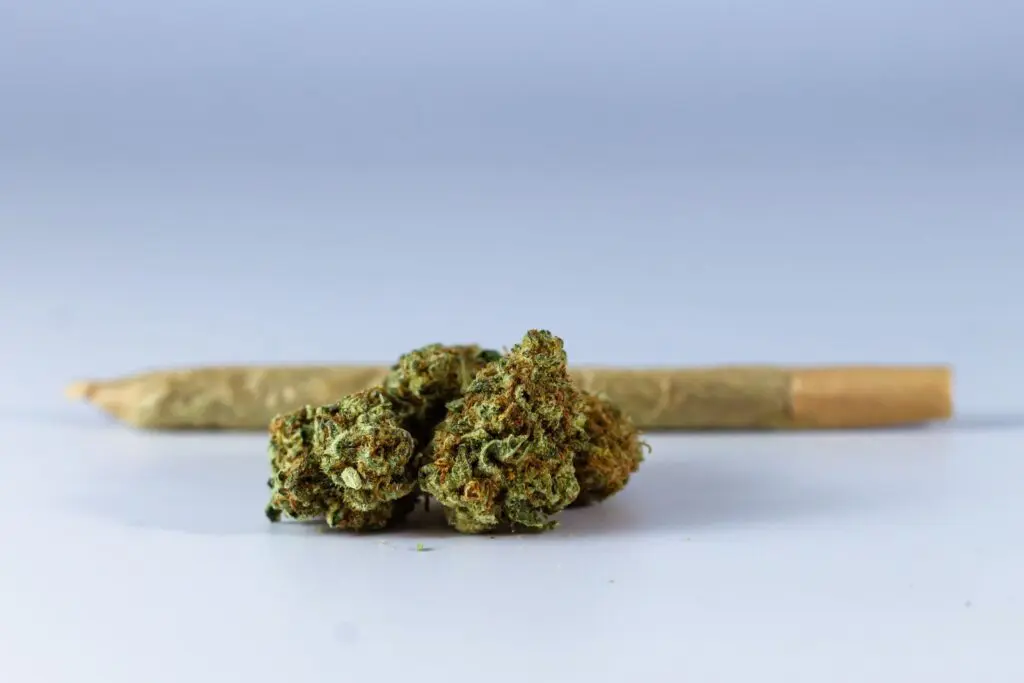
This table uses our lowest 7 g prices, $30 for AAA and $35 for AAAA. Some strains cost more.
| Grade | Per gram | One cross joint | From a 7 g bag |
|---|---|---|---|
| AAA | $4.29 | About $6.50 to $8.50 | 3 or 4 |
| AAAA | $5.00 | $7.50 to $10 | 3 or 4 |
Learn on AAA. A torn practice roll costs less, and you can tip the flower out and roll it again.
How to light a cross joint
Three ends need to catch at about the same time. With one lighter, start on the long twist at the top of the fat joint. The paper burns slowly, which gives you time to light both ends of the skinny joint. You can also hold the fat end to a candle while you use the lighter on the other two.
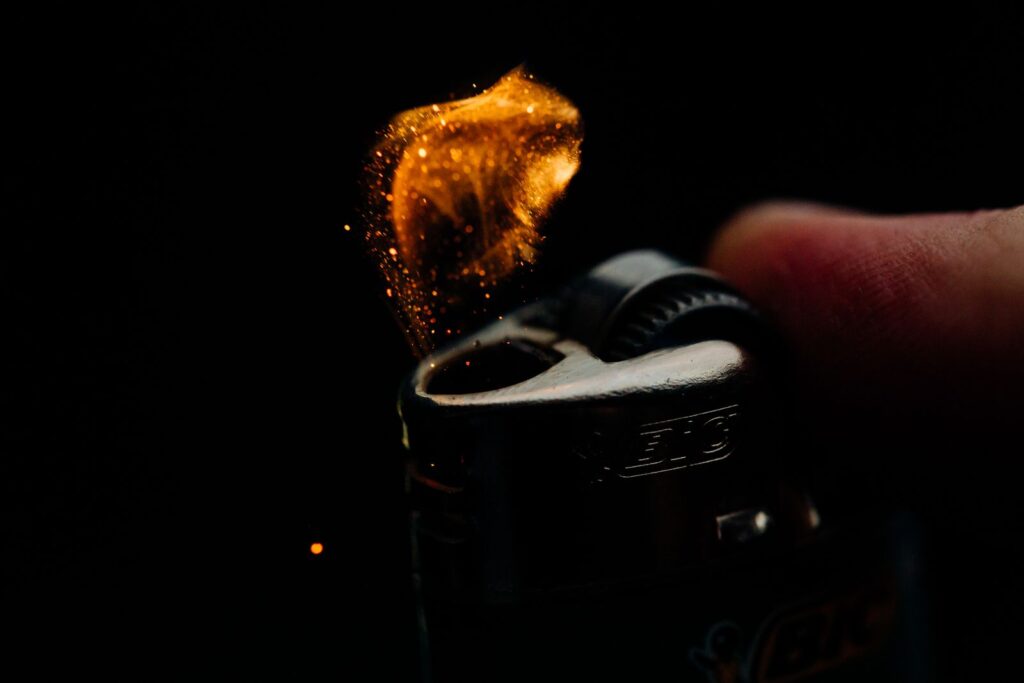
With three lighters and two helpers, you can light all three ends at once.
Expect an uneven burn. The thin arms burn down faster than the fat joint, and three lit ends use up flower faster than one. Once the arms reach the join, the fat joint carries on alone, though the hole can leak air and make it run or go out. Keep an ashtray under it.
Where the cross joint comes from
No source we found names who rolled the first cross joint, or when.
A book called The Joint Rolling Handbook is listed in library records from 1994, and the description of a 2008 edition names a roll called the Crossroads. We couldn’t see inside any edition to check that the Crossroads is a cross joint, so the first cross joint stays undated.
Cross joints and other joints
A cross joint is used the same way as any other joint. The differences are the build, the three lit ends and the size. At 1.5 to 2 g, it holds about as much flower as two or three regular joints.

| Joint | What it is | What holds it |
|---|---|---|
| Regular joint | Flower in a single paper | One rolling paper |
| Cross joint | A skinny joint threaded through a fat one | Two papers plus glue strips |
| Spliff | Flower mixed with tobacco | One rolling paper |
| Blunt | Flower in a tobacco-leaf wrap | Cigar or blunt wrap |
If you’d rather skip the rolling, our pre-rolls come ready to light. The AAA indica 3-pack is three 1 g joints for $20.
Common questions
How many papers does a cross joint take?
Two to roll it: a king-size paper for the fat joint and a small paper for the skinny one. Keep one or two spares for the glue strips.
How much weed goes in a cross joint?
About 1.5 to 2 g is a good starting point, with 1 to 1.5 g in the fat joint and about 0.5 g in the skinny one.
Where do you make the hole in a cross joint?
In a cross joint, the big hole goes through the fat joint about three-quarters of the way up from the filter, and the small airway hole goes in the middle of the skinny joint. Keep the big hole centred and straight, or the skinny joint sits crooked and the cross joint can burn unevenly. Some rolling guides put the big hole a third of the way down from the top, which is a little closer to the filter.
Why won’t my cross joint pull?
The join is usually blocked or leaking. Check that the small hole sits inside the fat joint and lines up with it, then add a glue strip anywhere air gets in. A test draw before lighting catches both problems.
Can you make a cross joint with a joint roller?
You can use a roller for each of the two joints. The holes and the join are done by hand.
Can you roll a cross joint ahead of time?
Yes, you can roll both joints for a cross joint ahead of time and put them together later. Keep them in a tube or an airtight jar, somewhere cool and dark, so they don’t get squashed or dry out.
Is the cross joint a real thing?
Yes. It’s two hand-rolled joints joined with glue strips, and it smokes like any joint, with three lit ends instead of one.