Landrace Strains: What They Are and Where They Come From
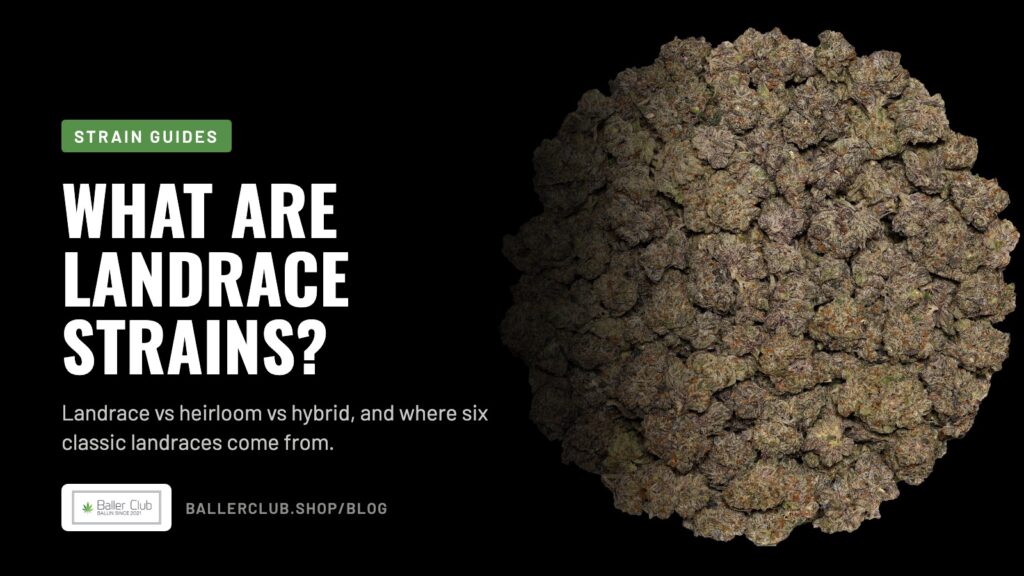
Landrace strains are cannabis varieties that farmers grew in one region for generations, saving seed from the plants that did well there until the population adapted to that place. They never went through formal breeding, and they’re usually named after where they come from: Afghani, Hindu Kush, Durban Poison, Acapulco Gold.
What makes a strain a landrace
Crop scientists define a landrace as a farmed plant population with a historical origin and a distinct identity that hasn’t been through formal crop improvement. It’s often genetically diverse, adapted to local conditions and tied to traditional farming (Villa and colleagues, 2005).
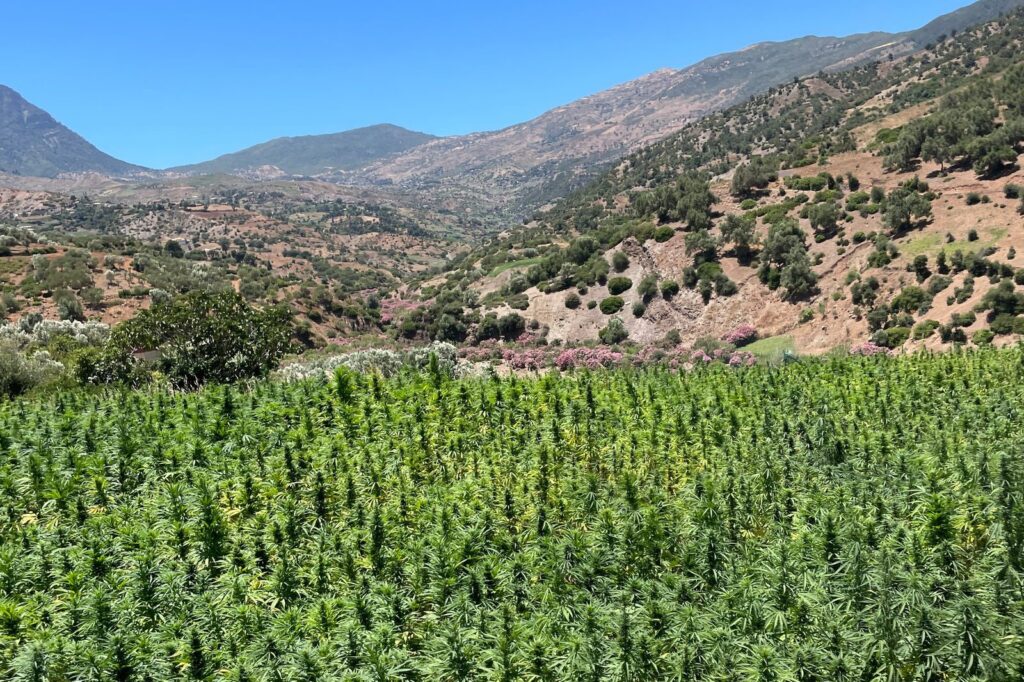
A cannabis landrace is a genetically mixed population. A 2021 study that sequenced 110 cannabis genomes found more genetic variation in landraces and feral plants than in modern cultivars.
Landraces are farmed plants. Cannabis that grows with nobody planting it is wild or feral, a separate category in the research.
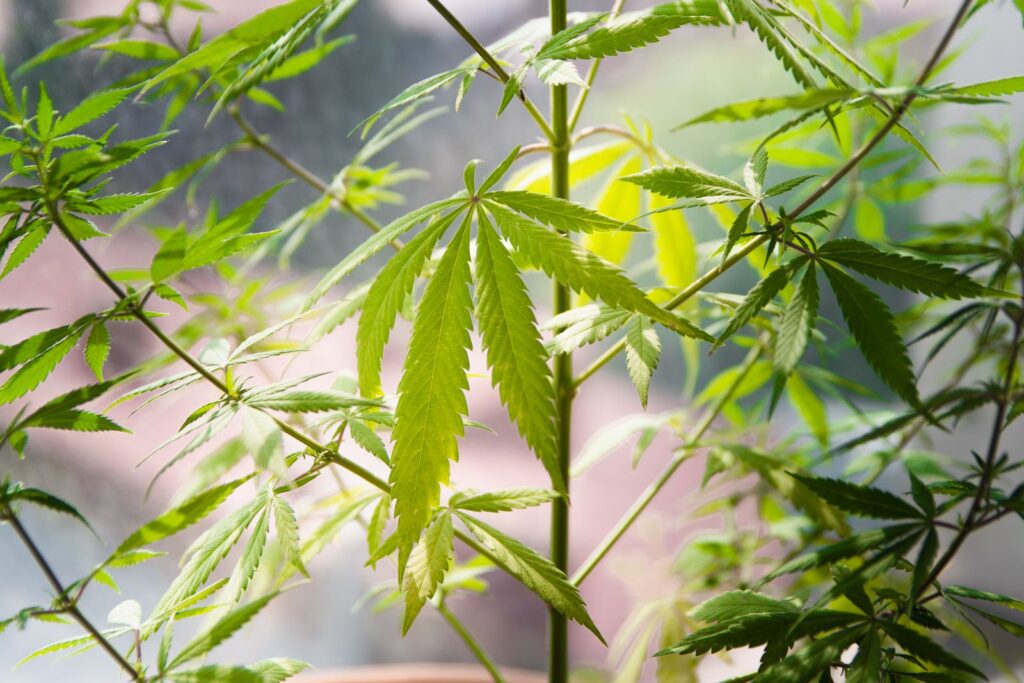
The indica and sativa labels in today’s trade began as descriptions of landraces. A 2020 review by botanists John McPartland and Ernest Small traces “indica” to broad-leaved, compact landraces mainly from Afghanistan and “sativa” to tall, narrow-leaved landraces mainly from India.
McPartland and Small cite Robert Clarke’s 1981 account, in which South Asian landraces smell herbal or sweet and Central Asian ones acrid or skunky. Different kinds of weed covers how the labels are used now.
Landrace vs heirloom vs modern hybrid
The three terms describe how far a plant has moved from its home and how much breeding it has been through.
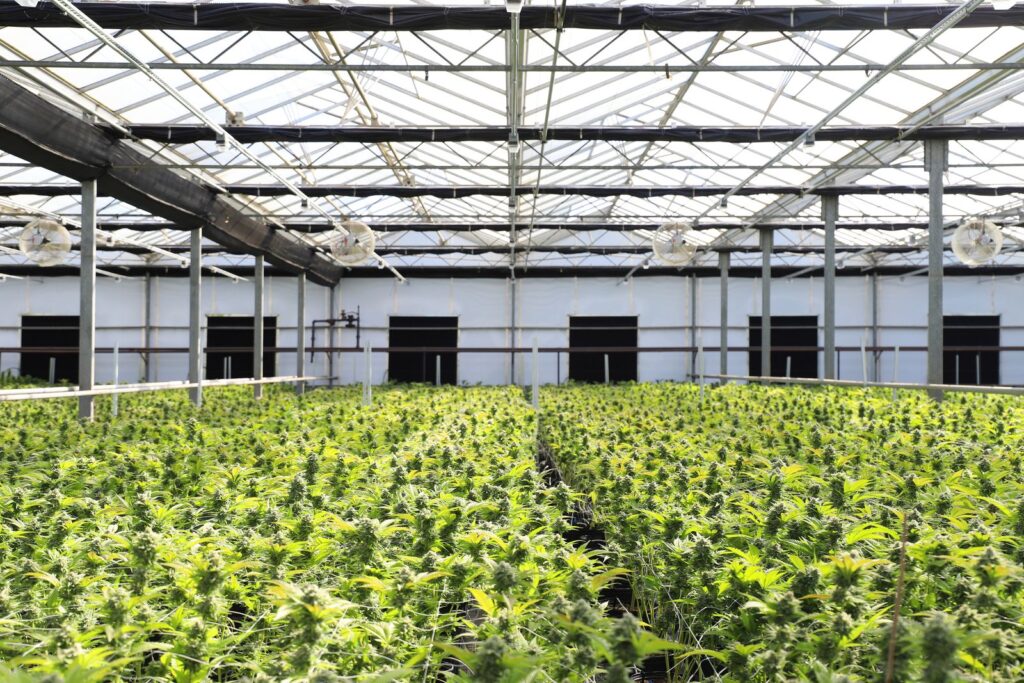
| Landrace | Heirloom | Modern hybrid | |
|---|---|---|---|
| Where it’s grown | Its home region | Away from its home region | Anywhere |
| Shaped by | Local farmers saving seed each season | Growers keeping a landrace line going | Breeders crossing named strains |
| Genetics | A varied, locally adapted population | The landrace line, in a new climate | Crosses of earlier crosses |
| How common now | Hard to find unmixed | Grown in small batches | Most strains sold |
McPartland and Small note that Afghan-type genes are useful to breeders for raising cannabinoid yields, speeding up outdoor ripening at northern latitudes and keeping plants short. One strain database listed 14,348 names in 2019, and the review links this crossing and re-crossing to a loss of genetic diversity.
How cannabis spread and where landraces formed
Cannabis was first domesticated in East Asia. The 2021 genome study dates that first step to about 12,000 years ago and finds that separate hemp and drug types formed much later, about 4,000 years ago, from a small number of early crops.
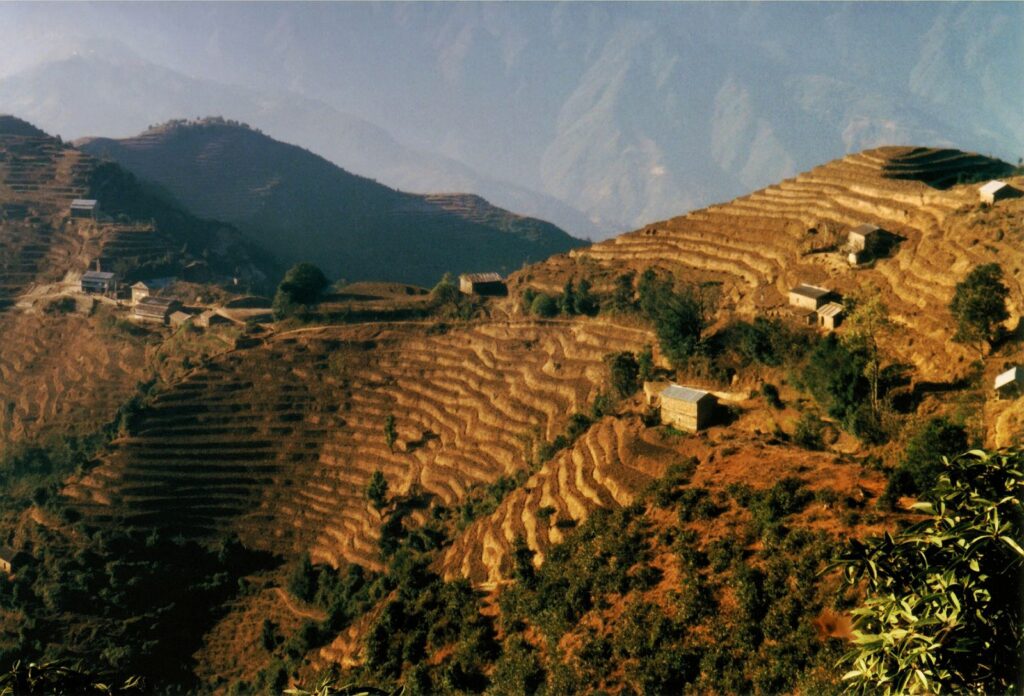
McPartland and Small describe two centres where drug-type landraces took shape. In Central Asia (Afghanistan, Pakistan and Turkestan), farmers grew cannabis for sieved hashish. In South Asia, mainly India, they grew it for ganja, the dried flower.
How each crop was harvested shaped its chemistry. Plants grown for hashish were processed in bulk, which left little room to pick out single high-THC plants, so their THC to CBD ratios stayed close to wild cannabis. Ganja plants were harvested one at a time, and growers saved seed from the highest-THC ones, raising the ratio over about a thousand years.
The South Asian type travelled widely. It reached Southeast Asia and East Africa by the 13th century and Brazil during the slave trade, while the Central Asian type stayed in its home region until the 1970s.
Well-known landrace strains and where they come from
Each is described as a landrace in the references we checked. The last column lists later strains that strain databases trace back to it.
| Landrace | Region of origin | Strains linked to it |
|---|---|---|
| Afghani | Afghanistan | Northern Lights, Super Skunk |
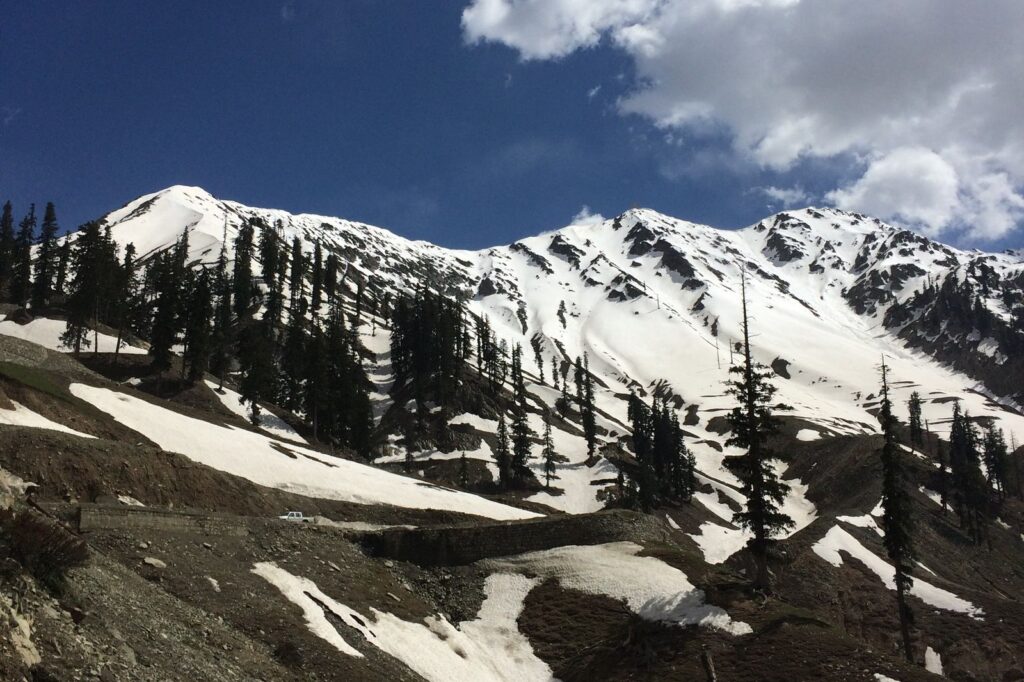
| Hindu Kush | Hindu Kush mountains, Afghanistan and Pakistan | OG Kush, Purple Kush |
| Durban Poison | Durban, South Africa | Girl Scout Cookies (through F1 Durban) |
| Thai | Thailand | Haze |
| Acapulco Gold | Around Acapulco, Mexico | Skunk #1 |
| Colombian Gold | Santa Marta mountains, Colombia | Skunk #1 |
The Hindu Kush range runs about 800 km from central and eastern Afghanistan into northwestern Pakistan. Skunk #1 was bred in the late 1970s from Afghani, Acapulco Gold and Colombian Gold, and Leafly calls it a staple of cannabis breeding.
Malawi Gold, from Malawi in southeast Africa, is another strain described as a landrace in the references we checked.
Lamb’s Bread, from Jamaica, often turns up on landrace lists, but strain databases list its genetic origin as unknown, so it isn’t in the table.
A landrace name isn’t proof of landrace genetics
Products named after a landrace, including the Durban Poison, Hindu Kush and Acapulco Gold we sell, are usually cultivars or descendants carrying the name. The name alone doesn’t prove pure landrace genetics.
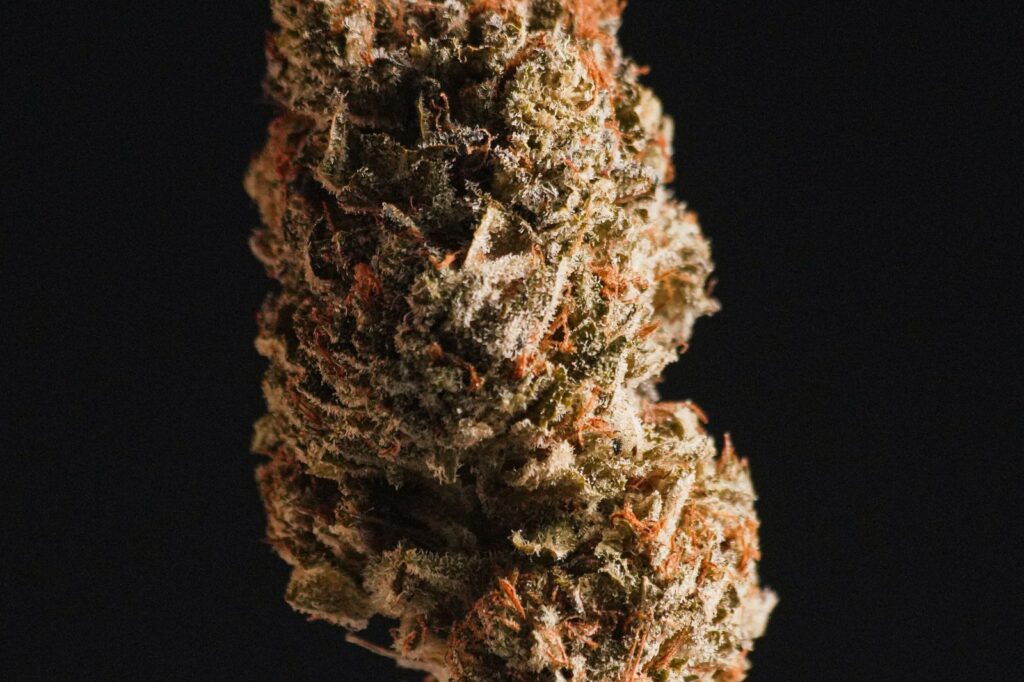
Strain names have no verification system behind them. When University of Northern Colorado researchers genotyped nine Durban Poison samples from Colorado and Washington, seven matched closely and two did not. Across the 30 strains they tested, most had at least one genetic outlier (Schwabe and McGlaughlin, 2019).
McPartland and Small report that Afghan-type genetics reached Nepal, Jamaica and Thailand in the 1970s and South Africa in the 1980s, so even the home regions were mixed. By the late 1980s, unmixed landraces were already hard to get in the USA and Europe.
The chemistry has shifted as well. In samples collected from the 1970s to the 1990s, Afghan-type landraces averaged a THC to CBD ratio of about 3.6 to 1, against about 97 to 1 for South Asian landraces. The ratio in plants sold as indica has since climbed, and McPartland and Small find little or no difference between indica and sativa now.
Terpene profiles have stayed more distinct. In McPartland and Small’s review, indica hybrids still make sesquiterpene alcohols such as guaiol and eudesmol, which Afghan landraces make and South Asian landraces lack. Limited evidence suggests THCV, a cannabinoid typical of South Asian landraces, carries on in sativas.
Landrace names on our shelf
We carry four products named after landraces. Their listings give the strain name, type and flavour notes, and none is sold as a certified landrace.
| Product | Format | Listed flavour | Price |
|---|---|---|---|
| Durban Poison Shatter | 1 g shatter | Sweet herbs, citrus zest, spicy anise | $10 |
| Hindu Kush Shatter | 1 g shatter | Deep earth, sandalwood spice | $10 |
| Black Label Hindu Kush Cured Resin | 28 g jar, crafted in BC | Earthy, sandalwood spice | $170 (about $6.07 a gram) |
| Acapulco Gold Live Resin Cartridge | 1 g, 510 thread | Bright citrus, sweet honey, piney | $25 |
The Hindu Kush notes match Leafly’s description of the strain’s sweet, earthy sandalwood aroma. The shatter and resin are made for a dab rig or concentrate vaporizer and the cartridge for a 510-thread battery, none of which we sell.
OG Kush, Purple Kush, Super Skunk, Amnesia Haze and Girl Scout Cookies are on our shelf too. Strain databases trace each to a landrace in the table above, though OG Kush’s origin is disputed. Our strain library gives each strain’s documented lineage and says so when a parent is unknown.
Common questions
What strains are landraces?
Well-known landrace strains include Afghani from Afghanistan, Hindu Kush from the mountain range of that name in Afghanistan and Pakistan, Durban Poison from South Africa, Thai from Thailand, Acapulco Gold from Mexico and Colombian Gold from Colombia. Lamb’s Bread from Jamaica is often listed as one too, though strain databases record its genetic origin as unknown.
What’s the difference between a landrace and an heirloom strain?
A landrace grows in the region where it adapted. An heirloom is a landrace line that growers moved to a new place and kept going, usually in small batches.
Where do landrace strains come from?
From the regions where farmers grew cannabis for generations. Drug-type landraces formed in Central and South Asia, and the South Asian type later spread to Southeast Asia, Africa and the Americas, which is where names like Thai, Durban Poison and Acapulco Gold come from. The plant itself was first domesticated in East Asia, about 12,000 years ago according to a 2021 study of 110 genomes.
Are there any landrace strains left?
Yes, but few unmixed ones. McPartland and Small describe the Central and South Asian landraces as endangered by crossbreeding, after Afghan-type genetics reached Nepal, Jamaica and Thailand in the 1970s and South Africa in the 1980s. Unmixed landraces were already hard to get in the USA and Europe by the late 1980s.
Are landrace strains more potent?
On average, no. In the tests McPartland and Small pooled, Afghan-type landraces averaged about 5.7% THC and South Asian landraces about 4%, with highest readings of 14.5% and 12.5%. A 2016 study of 38,681 US cannabis samples found average THC rose from about 4% in 1995 to about 12% in 2014.
Which landrace strains are indicas?
The indica label began with Central Asian landraces, mainly from Afghanistan, so Afghani and Hindu Kush are the indica landraces in the table above. McPartland and Small describe the original plants as short and broad-leaved, with an acrid or skunky smell and a THC to CBD ratio under 7 to 1.
Is Durban Poison a landrace?
It began as a landrace from the port city of Durban in South Africa. Of nine US samples labelled Durban Poison and genotyped for a 2019 study, two didn’t match the rest, so the label alone can’t confirm the line.
Is Maui Wowie a landrace?
Not by its documented lineage. Leafly lists Maui Wowie as a cross of Hawaiian and an unknown strain, which makes it a hybrid with a Hawaiian parent.